
As housing costs rise and the population ages, more families are rediscovering a timeless idea: living together across generations. Multigenerational living—where grandparents, parents, and children share one home or property—is no longer just a cultural tradition. It’s becoming a practical, forward-thinking solution for modern life.
At SilverHubLiving, we see multigenerational housing not just as a trend. We view it as an opportunity to design homes that are more resilient. These homes are more connected and more supportive of how people actually live.
Why Multigenerational Living is Growing
There are several forces driving this shift:
1. Aging in Place
Many older adults want to remain in their communities as they age. Living with family provides built-in support while maintaining independence.
2. Housing Affordability
Sharing land and construction costs across generations makes homeownership more attainable—especially in high-cost regions.
3. Care and Support
Families can provide informal caregiving, reducing reliance on external services while strengthening relationships.
4. Stronger Social Connections
Loneliness is a growing concern, particularly among seniors. Multigenerational homes naturally create daily interaction and emotional support.
What Makes Multigenerational Living Work
Successful multigenerational homes are not just bigger houses—they are better designed houses. Thoughtful planning is essential to balance privacy, accessibility, and shared living.
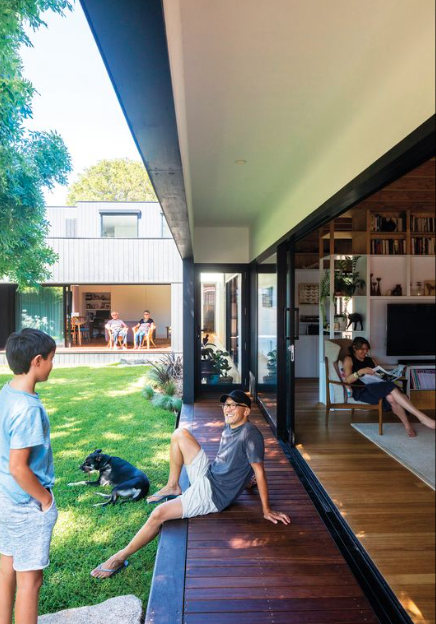
1. Private + Shared Spaces
Each generation needs a sense of autonomy. This can include:
- Separate entrances
- Self-contained suites or lock-off units
- Sound separation between living areas
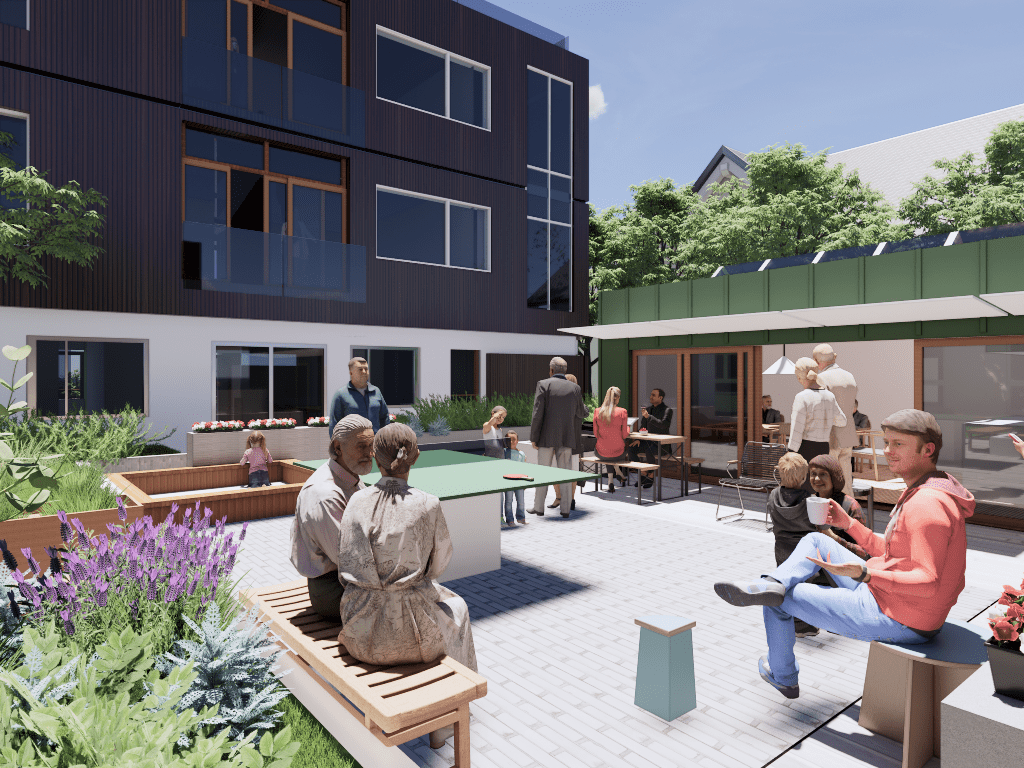
At the same time, shared spaces like kitchens, courtyards, and dining areas become the heart of the home.
2. Accessibility and Adaptability
Homes should be designed for all ages and abilities from day one:
- Step-free entries
- Wider doorways and hallways
- Accessible bathrooms with walk-in showers
- Flex rooms that can evolve over time
Designing for aging in place avoids costly renovations later.
3. Flexible Layouts
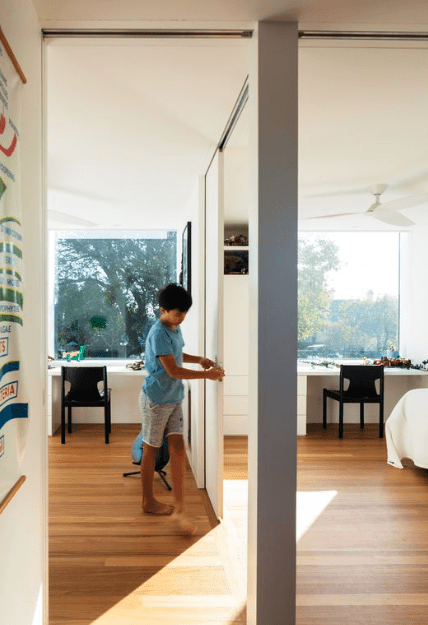
Life changes—kids grow up, parents age, needs shift. A well-designed home can adapt:
- Convert a suite from rental to family use
- Add care space when needed
- Reconfigure rooms without major construction
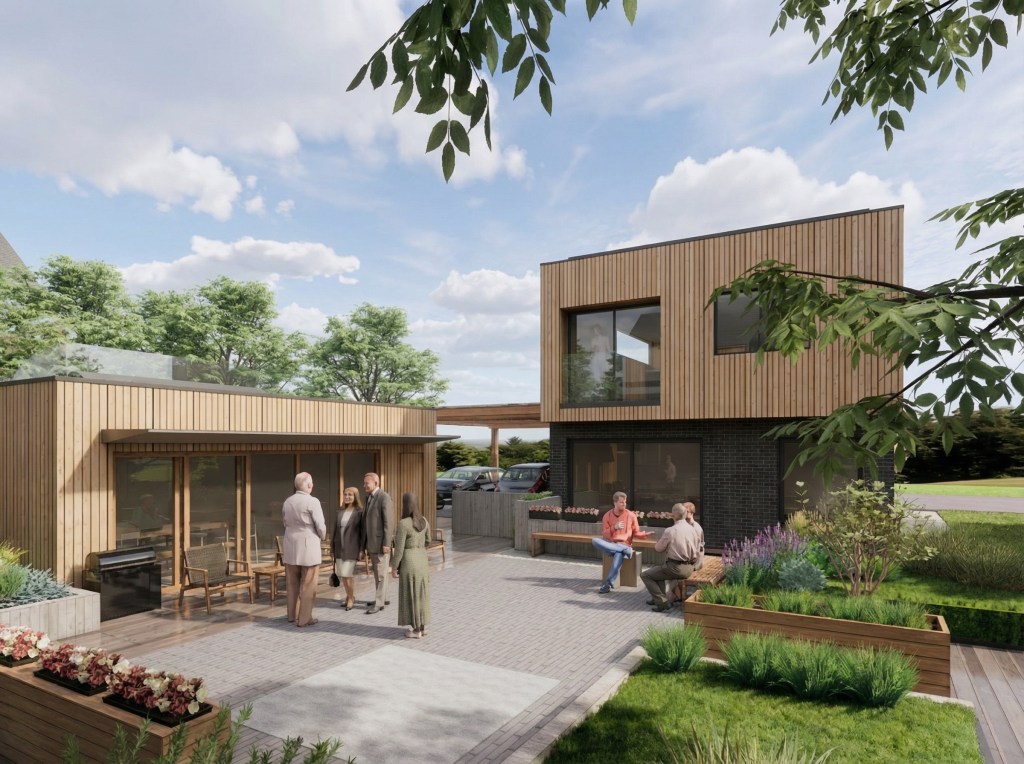
4. Outdoor Connection
Courtyards and shared outdoor areas play a critical role. They:
- Encourage daily interaction
- Provide safe, visible spaces for all ages
- Improve mental and physical well-being
The Missing Middle Opportunity
In many cities, zoning is beginning to allow more flexible housing types on standard lots—like duplexes, triplexes, and fourplexes. These “missing middle” forms are ideal for multigenerational living.
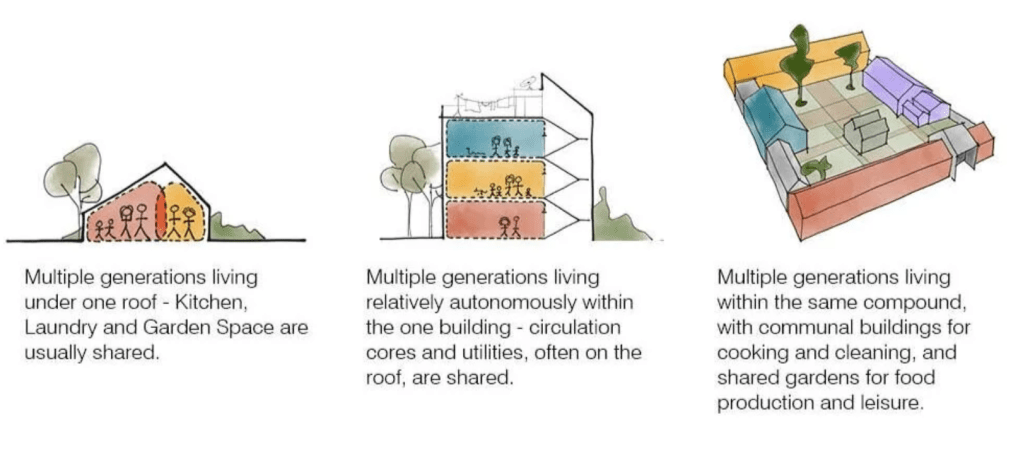
Instead of one large single-family home, a thoughtfully designed multiplex can:
- House multiple generations comfortably
- Provide rental income for financial stability
- Increase gentle density without changing neighbourhood character
For a typical 50 ft lot, this approach can unlock entirely new ways of living—while staying rooted in the same community.
Design Matters More Than Ever
Multigenerational living can fail if privacy is compromised or if accessibility is overlooked. That’s why design is critical.
At SilverHubLiving, we focus on:
- Human-centered layouts that respect independence
- Barrier-free design principles
- Long-term adaptability
- Warm, community-oriented spaces
The goal is not just to fit more people into a home—but to create a place where everyone can thrive.
Looking Ahead
As demographics shift and housing challenges continue, multigenerational living offers a powerful path forward. It supports aging with dignity, strengthens family bonds, and makes better use of our housing supply.
More importantly, it redefines what “home” can be—not just a place to live, but a place to belong across generations.
Dan Lenander with help of AI
dan@silverhubliving.com
 SilverHubLiving
Leave a comment